

This post contains affiliate links. If you purchase through my links, I may earn a small commission at no additional cost to you.

By now, you've heard the case for olive oil. The Mediterranean diet's benefits aren't in question, and I don't need to convince you extra virgin olive oil belongs in your kitchen.
What's harder is knowing what to actually buy. Stand in front of the olive oil section at any grocery store, and you're looking at twenty bottles, prices all over the map, and labels throwing around industry terms and promises involving sun-drenched Mediterranean hillsides that don't actually tell you much about what's in the bottle.
I've cooked with olive oil almost exclusively for two decades, and I'll admit this category still trips me up sometimes. There's so much noise around sourcing and authenticity that even a careful shopper ends up second-guessing herself in the aisle.
So I decided to stop guessing and start testing. I wanted to answer one practical question: which easy-to-find grocery store olive oils under $15 are genuinely worth buying and reliably the real thing? I bought ten of the most common grocery store options and spent several weeks tasting them, both alone and with friends, and using them in my kitchen.
What I found surprised me. There are good bottles at every price point here, and a few genuine standouts. I'm planning to keep testing and adding to this list as I go.
How I tested these olive oils
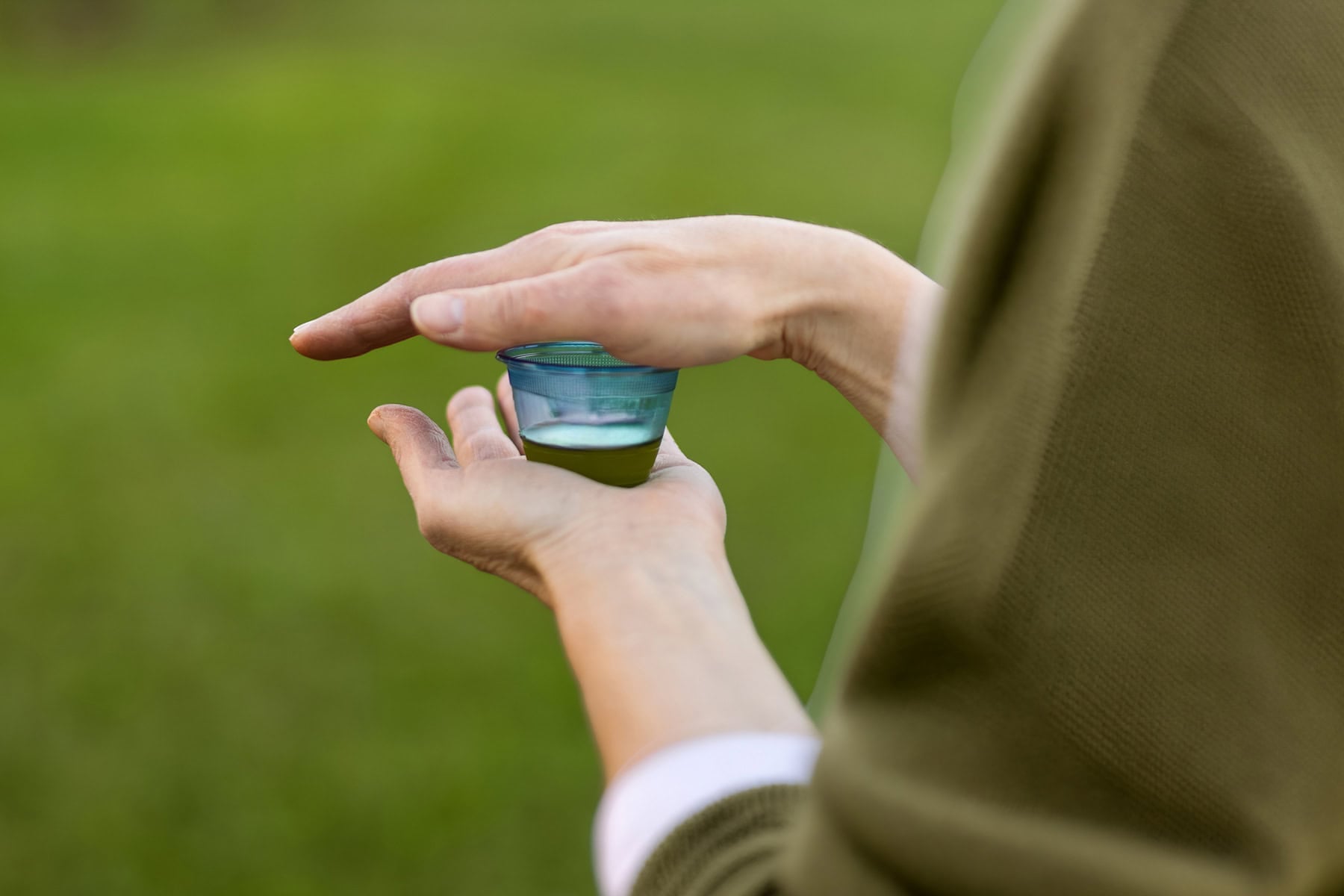
Olive oil is surprisingly hard to judge from the label alone, which is exactly why I wanted the testing process to be as thorough and practical as possible. I started with ten oils purchased from grocery stores and Amazon, all labeled extra virgin olive oil, all available for under $15 (though prices vary by retailer, and I'll note the range for each). For each oil, I did several rounds of tasting.
- Solo tasting, first pass: I tasted each oil straight from a small glass and evaluated the flavor, bitterness, pepperiness, and finish. I also dipped a bit of crusty white bread into each one, which gave me a rough idea of what the oil would taste like with food.
- Solo tasting, second pass: I retasted all ten oils a few days later to check my first impressions. Olive oil can taste different day to day, and I wanted to make sure I wasn't reacting to something temporary.
- Cooking and using them in my kitchen: I moved all of the bottles into my pantry and proceeded to use them in my cooking over several weeks. Salad dressings, sautés, roasted vegetables…you name it. When I had time, I made split batches of my dishes with two different EVOOs and tried them next to each other.
- Group blind tasting: I brought in five friends for a blind tasting. We evaluated the oils one by one, discussed them as we went, and ranked each one. Their reactions were some of the most useful data points of the whole project, especially those from the non-olive-oil-obsessives in the group.
Throughout this process, I evaluated oils on aroma, flavor complexity, bitterness, pepperiness, which is often associated with health-promoting compounds in EVOO, finish, and overall balance. I also checked each bottle for harvest or best-by dates, certifications, country of origin, and transparency about acidity and polyphenol content. All prices listed are the best widely available prices I found at the time of testing.
The best grocery store olive oils
Best Overall: Cobram Estate 100% California Classic Flavor
$12.99-$14.99 / 375 mL ($3.46-$4.00/100 mL) | COOC certified | Gold Award, NYIOOC 2024
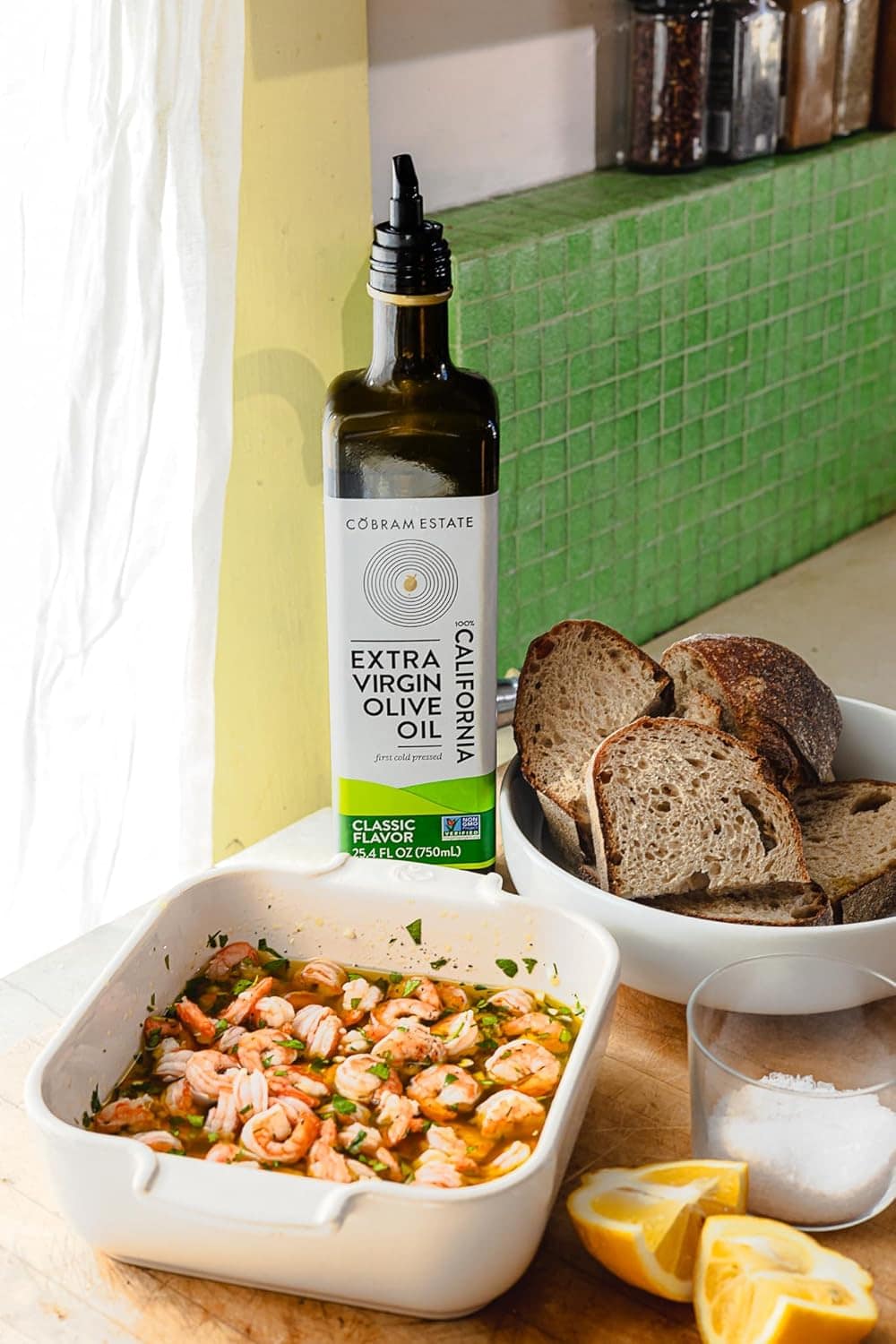
As you might expect, the Cobram Estate is the priciest pick on this list on a per-ounce basis, and it only comes in 375 mL and 750 mL bottles, with no standard 500 mL size. But it earned every cent, and the 750 mL bottle is available at a lower per-ounce cost depending on where you shop.
Cobram Estate is an Australian company with significant clout in the olive oil world. Their Classic Flavor is COOC-certified (that's the California Olive Oil Council, whose requirements are stricter than international standards) and won a Gold Award at the New York International Olive Oil Competition in 2024. The company states that all of its oils are single-origin and below 0.5% acidity.
In my solo tastings, I found it beautifully balanced: peppery but not aggressive, with a grassy, slightly fruity character and a clean finish. In the second tasting, the fruitiness came forward even more; it tasted unmistakably like olives, in the best possible way.
My group tasters agreed emphatically. They described it as tomato-y, rich, and fruity, with a pleasant peppery finish that lingered in the throat without being harsh. It was the unanimous first-place choice among my tasters.
If you're new to tasting quality olive oil, this one will show you what you've been missing. If you're already an enthusiast, you'll appreciate the quality at this price point.
Where to find it: Amazon , direct from Cobram Estate, Safeway/Albertsons, Walmart, and some Kroger stores.
Best for polyphenols/most robust: Mina Moroccan Extra Virgin Olive Oil
$12.95 / 500 mL ($2.59/100 mL) | Available on Amazon
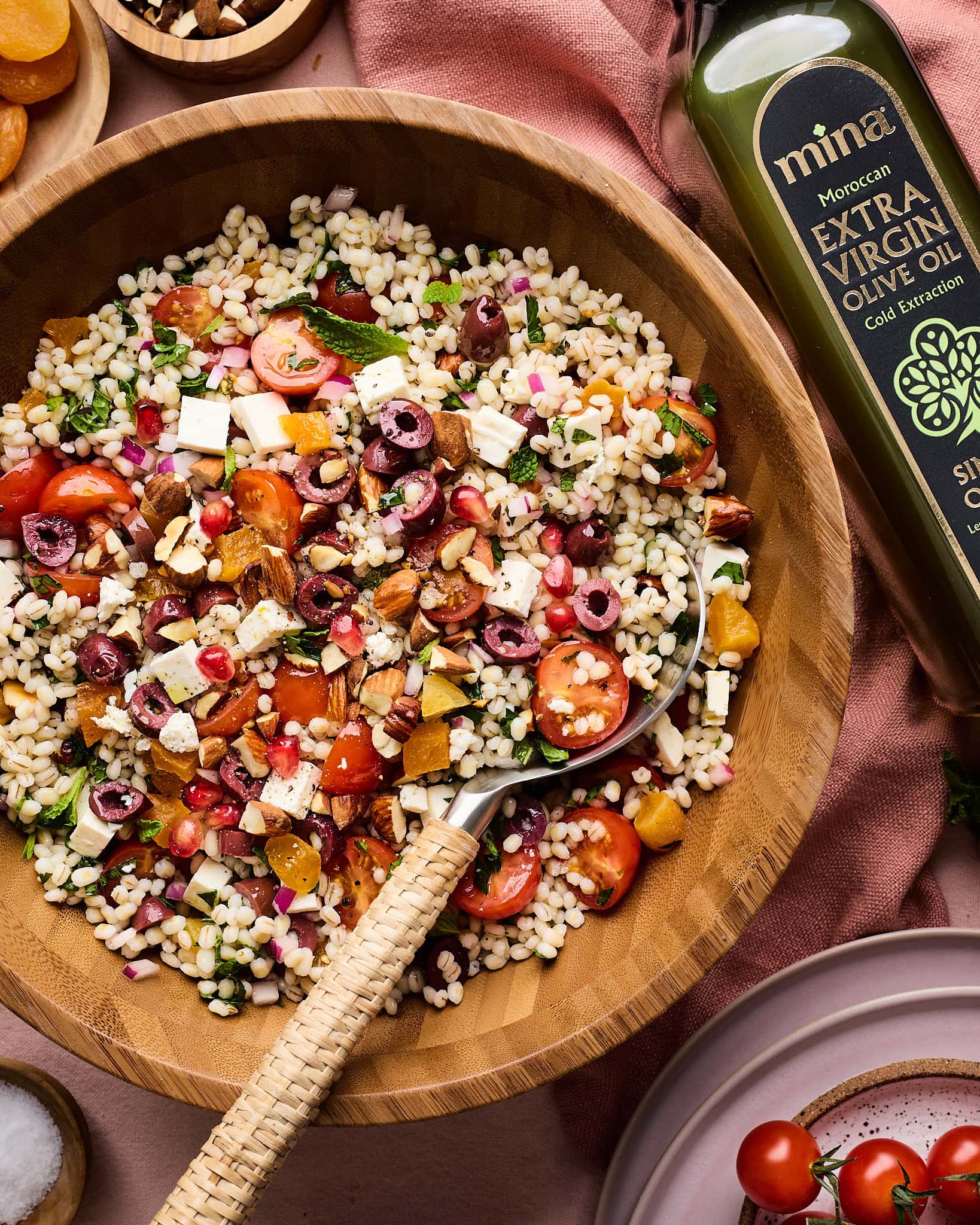
Full disclosure: this is my personal favorite. But it may not be everyone's cup of tea.
Mina is a family-owned company producing single-origin, early-harvest EVOO from one farm in Morocco. Early harvest matters because olives picked before full ripeness are higher in polyphenols, the compounds linked to EVOO's antioxidant benefits, and to that pleasantly peppery, bitter finish. Mina lists their polyphenol content at over 300 mg/kg and their acidity at under 0.2%, both excellent numbers.
This oil has a personality. In my solo tastings, I found it bitter (but not unpleasantly so), with a grassy, peppery, distinctly olive-forward flavor and noticeably higher viscosity than any of the others. In the group tasting, one person wouldn't take a second sip; it was too intense for her palate. Two tasters put it in second place behind the Cobram Estate. As for me, I put it first. I love a robust olive oil, and I'm actively looking for polyphenols.
Here's the other thing worth knowing: when I used it in cooking or alongside stronger flavors, the bitterness and pepperiness faded into a really nice balance. It's not a one-note oil. It just has a lot to say.
One note: Mina comes in a PET plastic bottle. PET is commonly used for food packaging and is generally considered stable for food storage. Glass is still my preference when the price and availability make sense, but if you are looking for a high-polyphenol oil at a great price, this one is worth the compromise.
Where to find it: Amazon, order direct from Mina, Walmart, Publix, and select Kroger stores. May be more widely available on the East Coast.
Best Value: Pompeian Organic Extra Virgin Olive Oil - Robust
$5.29-$11.49 / 500 mL ($1.06-$2.30/100 mL) | NAOOA, USDA Organic
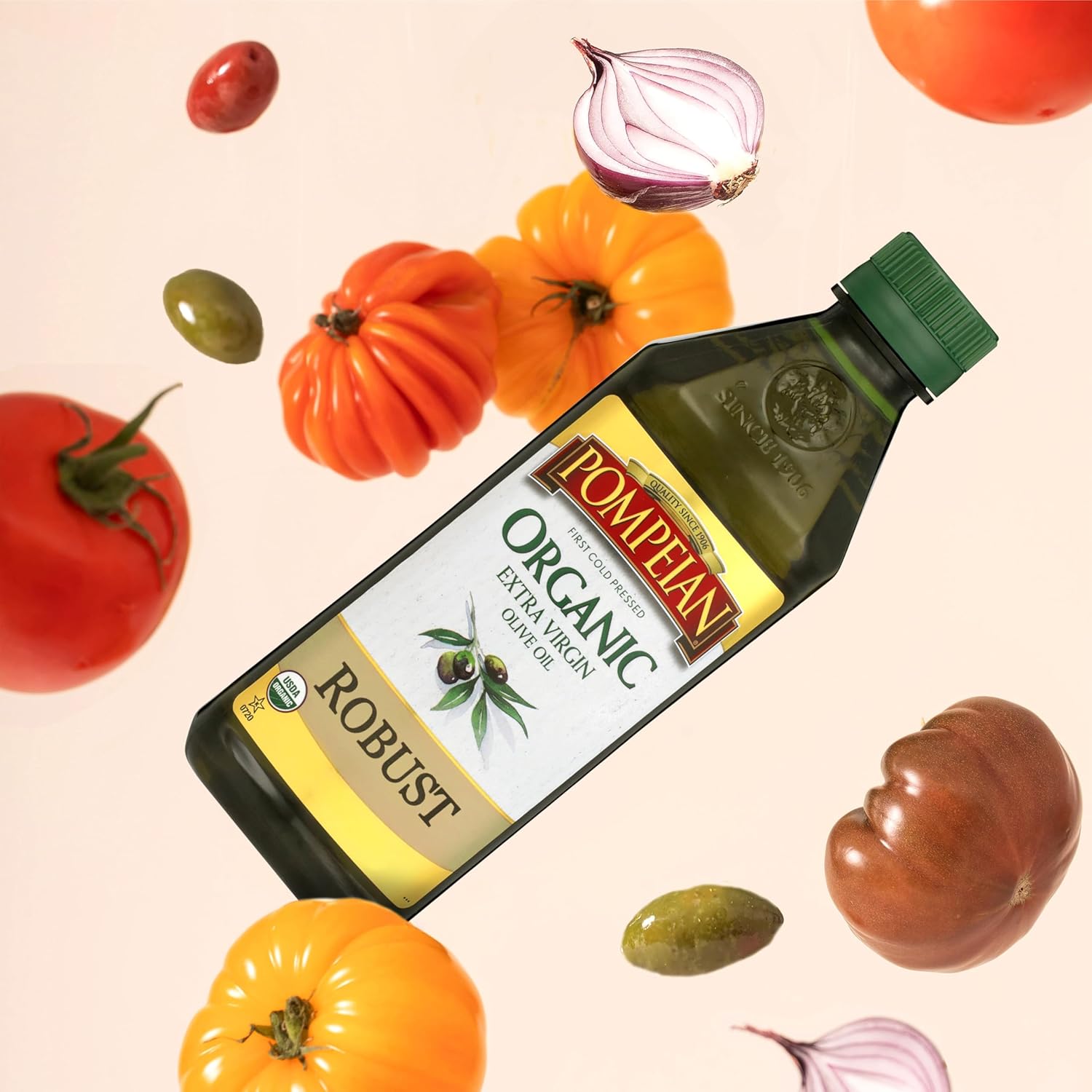
I'll be honest: I didn't expect much from Pompeian going in. It's everywhere, it's affordable, and I'd always assumed "everywhere and affordable" meant "mediocre." I was wrong.
The Pompeian Organic Robust may be inexpensive, but it surprised me at every tasting. In my solo rounds, I found it pleasantly balanced: only mildly bitter and peppery, with a nice fruitiness that came forward more in the second pass. In the group blind tasting, it held its own solidly in the middle of the pack.
My note in my tasting log: "Really surprised by this one. A great starter or budget EVOO."
The NAOOA seal was a deciding factor here. Participating oils are purchased from store shelves and independently tested multiple times a year to make sure they meet International Olive Council standards for purity and quality. Pair that with USDA Organic certification and a clear best-by date, and you have a budget bottle you can trust.
Worth noting is that Pompeian's products also come in PET plastic. Most budget EVOO brands do. Whether you make the compromise is a personal choice.
One thing to check: price varies significantly by retailer, from as low as $5.29 for 500 mL on Amazon to $11.49 at Kroger. It's worth shopping around before you buy.
Where to find it: Widely available at Amazon, Kroger, Walmart, Safeway/Albertsons, Publix, and more.
Honorable Mention: California Olive Ranch Global Blend
$10.94-$11.99 / 500 mL ($2.19-$2.40/100 mL) | Certified Extra Virgin
California Olive Ranch is one of the most recognizable olive oil brands in grocery stores, and the Global Blend is its most widely available product. It earned a Silver Award at the NYIOOC, and lists acidity at under 0.5% (excellent). While its sourcing may vary from batch to batch, the bottle I tested was blended from oil produced in three countries: 46% Argentina, 31% Chile, and 22% California.
In my tastings, I found it pleasant and approachable: smooth on the front palate, with a mild peppery finish and some fruitiness that came forward in the second tasting. Nothing offensive, nothing that made me put down my glass. In the group blind tasting, two of my friends put it in third place. One taster who gravitates toward bold, robust oils put it near the bottom; it was too mild for his palate.
Don't let the South American sourcing throw you off. Argentina and Chile have become serious olive oil producers over the past two decades, and some genuinely outstanding EVOOs come out of both countries. The climate in Argentina's Mendoza region and Chile's central valleys is well-suited to olive cultivation, and early-harvest oils from both countries regularly earn awards at international competitions. In fact, one of my favorite artisan olive oils is from Argentina. Europe doesn't have a monopoly on great olive oil.
If you want to go deeper on what country of origin actually tells you (and what it doesn't), check back soon to download my free guide to choosing a grocery store olive oil.
Where to find it: Amazon, Kroger, Whole Foods, Walmart, Publix, and Target. May be more widely available on the West Coast.
Honorable Mention: Carapelli Organic Extra Virgin Olive Oil
$10.89-$11.37 / 500 mL ($2.18-$2.27/100 mL) | USDA Organic
If you find the robust oils too assertive and the budget options a little too mild, Carapelli lands comfortably in the middle.
Carapelli is an Italian brand made from Koroneiki olives grown in Spain, Greece, and Tunisia. To their credit, they post third-party lab results and origin declarations on their website, confirming 100% pure EVOO. The one thing I'd love to see that isn't there: acidity and polyphenol content.
In my first solo tasting, I found it bitter and peppery with real underlying richness. In the second, it opened up to something sweeter and more balanced, with a lovely fruitiness. It performed well both straight and on bread, and I liked it more each time I tried it. It was particularly nice in salad dressings. And it comes in glass, which is a plus if you prefer to avoid plastic.
It didn't crack the top three because it doesn't have the certification strength of Pompeian or the tasting performance of Cobram and Mina. But if you want a smooth, characterful everyday oil and you'd rather have a glass bottle than a plastic one at a reasonable price, Carapelli is worth picking up.
Where to find it: Kroger stores, Target, Publix, Walmart, and Amazon (1L bottles only).
Other olive oil brands we tested
Not every bottle in this tasting lineup earned a spot on the list. Here are the ones that didn't. This doesn't mean they are terrible or that these brands don't have other products that might have done better in this lineup.
Graza "Sizzle" Extra Virgin Olive Oil: Graza didn't make the list primarily for transparency reasons. While it tasted fine (it landed firmly in the middle of the pack), their website offers zero disclosure of acidity or polyphenol content. I think that's a notable gap for a brand that markets itself as a quality product and sits on the higher end of the list price-wise. I personally think there are better EVOOs for the price.
Bertolli Extra Virgin Olive Oil Rich Taste: I used to like Bertolli until I tasted it next to better options. It's not terrible, but it fell flat when compared to the Pompeian. Slightly bitter, very little pepper, and a flavor that just didn't hold up. The 0.3% maximum acidity claim on the bottle is a good sign for quality, but the flavor didn't match the credentials. I plan to circle back and try a different product by this brand in the future.
Filippo Berio Extra Virgin Olive Oil: In my solo tastings, I found it reasonably balanced and inoffensive. The group blind tasting told a different story: my tasters found it uneven, with nothing interesting on the front palate and too much pepper in the throat, and it landed in the middle-to-lower end of their rankings. That disconnect between solo and group results was enough to keep it off the list.
STAR Extra Virgin Olive Oil: Mild and fruity in my solo tasting, but with a lingering flavor I couldn't quite identify that was persistent and intrusive in a way that I never got comfortable with. It was not offensively unpleasant, but not something I'd confidently recommend.
365 by Whole Foods Market Organic Mediterranean Blend: The last-place oil in our group tasting by consensus, and by a wide margin. My tasters and I all found it unpleasantly bitter across the board, though not in the interesting, polyphenol-rich way of a good robust oil. It was flat and harsh with nothing behind it. Interestingly, it worked fine in cooking; the bitterness disappeared completely in a stir-fry and roasted vegetables. But for drizzling, dipping, or any application where the oil is the star? There are better choices.
What to look for when buying grocery store olive oil
If you're standing in the aisle right now with this post open on your phone, here's the short version:
- The label must say "Extra Virgin Olive Oil." Anything labeled "pure," "light," or just "olive oil" has been refined and processed, and you lose much of the flavor and some of what makes extra virgin olive oil special nutritionally.
- The bottle must be dark or opaque. Light degrades olive oil and causes it to go rancid. If you can see through the bottle easily, put it back.
- Find the date. A harvest date is best: look for the current year or the prior year. A best-by date at least 12-18 months out is your backup.
That's the baseline. If you want to go deeper on how to determine the purity and quality of olive oil, how to understand polyphenol content, how to taste olive oil at home, and how to decode every line of an olive oil label, check back for my free guide to buying a grocery store olive oil, coming out soon.
The bottom line
After ten oils, multiple rounds of tasting, several weeks of cooking, and one enthusiastic group blind tasting, here's what I'd tell you: there are good olive oils at every price point, and you don't need to spend a fortune to find one worth reaching for every day.
If I had to put one bottle in your cart, it would be the Cobram Estate Classic, not because it's the cheapest, but because it's the one the group loved unanimously and the one I keep coming back to. If you want maximum polyphenols and don't mind a bold, assertive flavor, give the Mina a try. And if your budget is the deciding factor, the Pompeian Organic Robust is better than its price suggests.
Whatever you choose: use it. Olive oil is a fresh product, not a keepsake. Don't save it for special occasions; use it often, and when the bottle is empty, buy a different one. That's how you find your favorite.
Prices were accurate at the time of testing and may vary by retailer and region.
This article is for informational purposes only and is not intended as medical or nutritional advice. If you have specific dietary concerns, talk with your doctor or a registered dietitian.


Leave a Reply